
Food Planning Resources
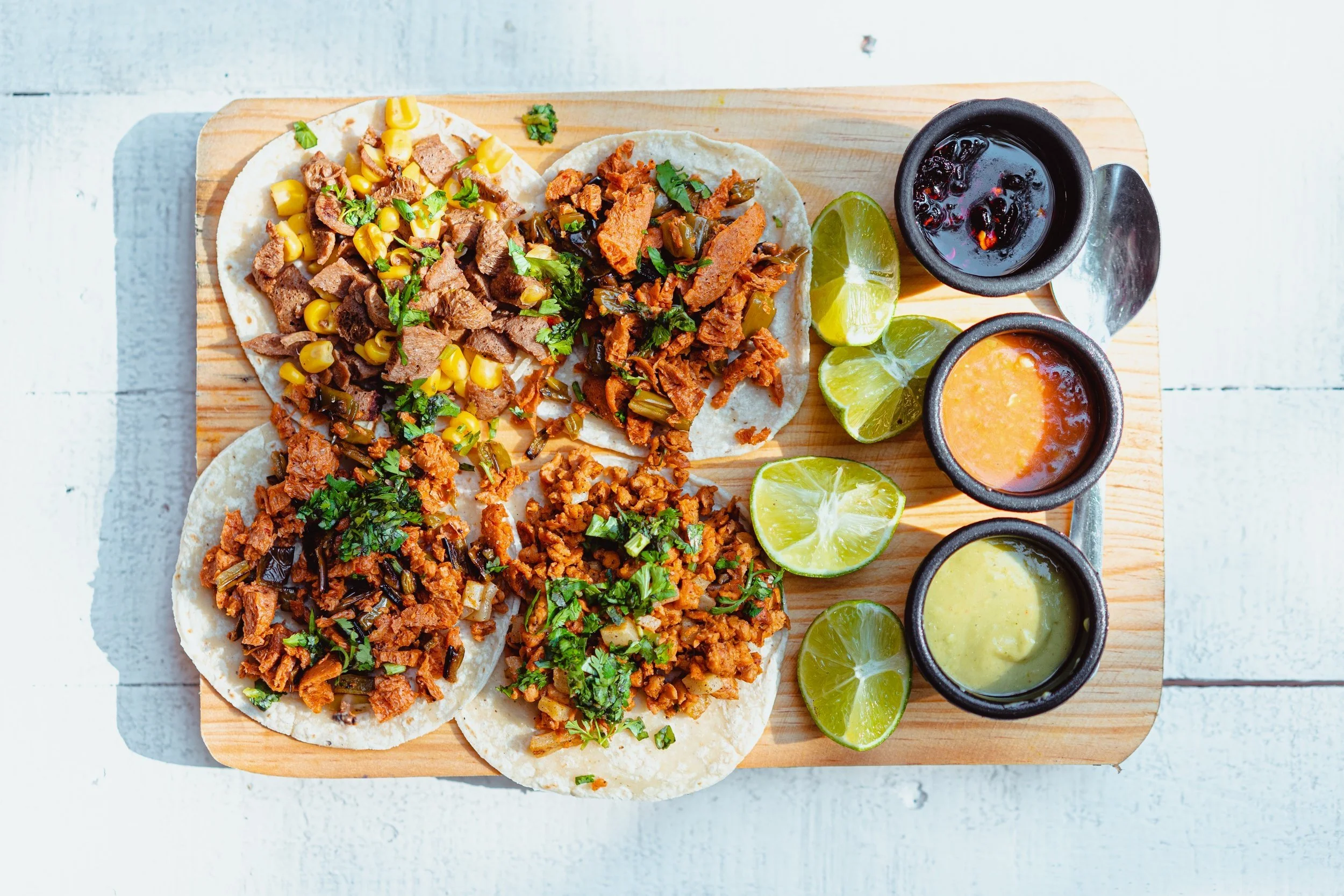
Make planning work for you…
1. Use time to choose what to eat
First identify the time you have to buy, prep and cook. Use that to narrow down the choices for your menu.
2. The (fun)ctional approach
There are no “good” or “bad” foods.
Foods can be more/less supportive of your goals (“function”) and more/less enjoyable (“fun”).
First: focus on foods that are medium-to-high function and medium fun.
Here’s a guide for an idea of what this can look like. Check out the green and yellow options first.
3. When in doubt: four ingredients
Ensure there is a dedicated protein, vegetable, carb and fat source most times you eat.
4. Plan for S-Sm-D-B-L
In general order of priority…
Snacks (Highest. Yes, really)
Smoothies (Optional but recommended)
Dinner
Breakfast
Lunch (Lowest)
Planning this way gives a big payoff for your choices. This makes it easier to stick to your plan and more effective when you do.
5. Weekends aren’t weekdays
Most of us eat differently on weekends vs. weekdays. Think ahead and account for how you tend to eat on Saturday and Sunday.
Food Resources to Try
We regularly update this so you can make your food convenient, tasty and supportive.
We can’t say something will taste good or work for you. Your preferences and lifestyle are unique- you’ll only know by trying.
***Linked brands/products are shared alphabetically to give you both specific options and general ideas to look for.
Lowest Commitment
For quick progress ASAP. Beware becoming reliant on a handful of convenience options.
Just because a protein bar works great today doesn’t mean you’ll want it daily for the next three months.
Note: we bias protein-forward options as protein is often too low in most diets yet is required for most goals.
-
Use the ideas below to proactively bridge the time between meals or ensure you have something beneficial on the go.
Proven Tip:think of all the places you find yourself in your week (work, home, driving, etc) and stock a few quick grabs in each location.
Veggies
Pre-chopped is highly recommended (purchase or do it yourself). A little dip goes a long way.
FruitKeep it simple here. Pick a few you like. No syrups or added sugar- they come with their own!
Dairy/Dairy Alternatives
•Cottage Cheese (mix in fruit, granola or salsa)
•Greek Yogurt or Skyr (unsweetened, whole or 2% fat, Chobani Zero Sugar, Oikos Triple Zero, Two Good, Ratio "Yogurt")
•Yogurt Alternatives (Kite Hill, cashew milk, coconut milk, etc. Ideally protein powder mixed in as well)
Ready to Drink
•Lactose Free Dairy (Fairlife 1, Fairlife 2, Slate)
•Plant Based (OWYN, Huel, Orgain)
•Yogurt Based (Chobani Complete)
Crunchies
•Dry Roasted Edamame (Seapoint Farms, Only the Bean)
•Adult Cereal: higher protein and low/no sugar (Three Wishes, Magic Spoon, Catalina Crunch)
•Granola (ProGranola, RX, Kind)
•Protein Chips (Quest)
•Lupini Beans (Brami)
•Vegan Granola (ProGranola Vegan)
Meat and Plant-Meat
•Chicken Bites (Im’Peccable, Fresh Additions)
•Biltong (Ayoba, Kalahari, Stryve)
•Jerky (Country Archer, Krave)
•Meat Bars (Epic)
•Meat Sticks (Chomps, New Primal, Ovation)
•Seasoned Canned Fish (Tuna Infusions, Safe Catch)
•Vegan Jerky (Primal Spirit, Beyond Meat)
Protein Bars
•Dairy Based (David, Atlas Whey, Kirkland, Barebells, Pure Protein, Quest)
•Plant Based (No Cow, Rawr, Atlas Plant, Misfits, Builder’s, RX, Good+Gather)
Protein PowderThese are our two most common recommendations. If these don’t work for you, message your coach for alternatives!
*Helpful if you have low iron levels
⭐️ True Nutrition Whey Isolate
*Slightly more protein per scoop
Drink with cold water, milk or in a smoothie.
We recommend ordering 1lb of chocolate, vanilla, or both as a sample. As soon as you decide what you like, immediately put in a larger order so it’ll arrive by the time your samples are done.
-
These items are generally frozen, pre-cooked and/or pre-seasoned.
Proven Tip: use one of these items as a convenient anchor for your meal and then build around it.
Vegetables
•Alexia (Veg Sides)
•Cascadian Farms (Veg Blends)
•Pre chopped mixes
•Pura Vida (Veg Blends)
•The Tattooed Chef (Veg Blends)
Meat
•AmyLu Chicken (Burgers, Meatballs, Sausages)
•Applegate (Burgers, Chicken Strips, Breakfast Sausage, Dinner Sausage)
•Caulipower (Tenders, Nuggets, Breakfast Scrambles)
•Evol (Single Serve Meals, Breakfast Bowls)
•Frontera (Bowls)
•Healthy Choice (Max Bowls)
•Kevin’s Meals (Entreés)
•Performance Kitchen Meals (Dairy Free, Gluten Free)
•Saffron Road (Entrées)
Plant-Based
•Caulipower (Gnocchi + Pasta, More Pasta, Rice)
•Gardein (Bowls)
•Healthy Choice (Power Bowls)
•Path of Life (Rice Blends, Quinoa Blends, Veg Blends, Entreés)
•Performance Kitchen (Plant-Based)
•Saffron Road (Entreé Packs)
•Seapoint Farms (Roasted Edamame, Spaghetti + Fettucine)
•Sweet Earth (Bowls, Chik’n, Seitan)
•The Tattooed Chef (Bowls, Gnocchi + Pasta)
•Wholly Veggie! (Entrées)
•Wildwood Tofu (Baked, Super Firm)
-
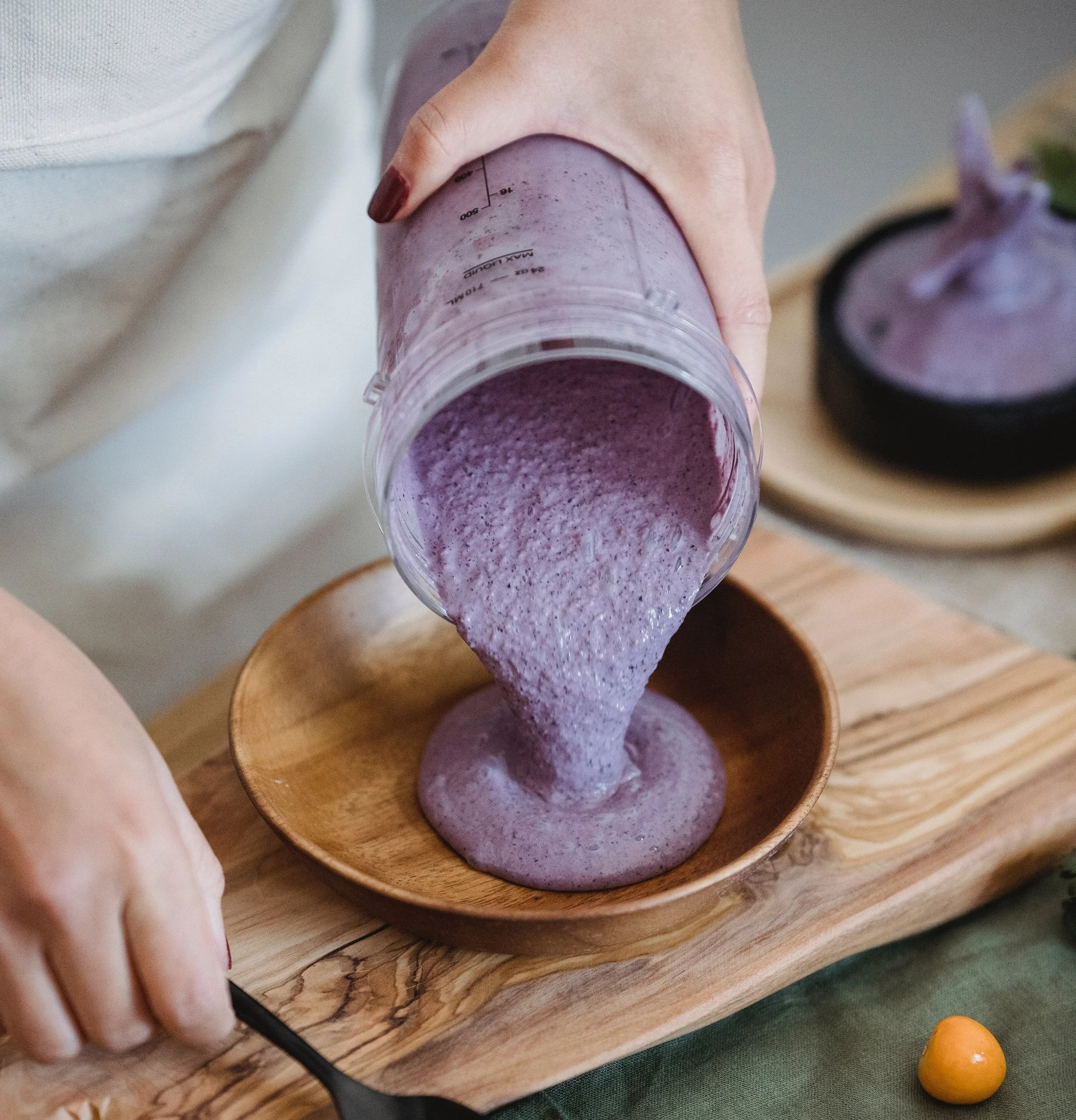
Smoothies are hands-down the quickest way to get the most nutrients, liquid and protein into your life.
Even if you aren’t “a smoothie person”, the benefits are well worth giving it a shot!
Blender Options
Ninja Professional (~$99)
Nutribullet Personal (~$79)
Black and Decker (~$29)
Our Framework
*Liquid and protein powder (see the “Quick Grabs” tab for recommendations) are the minimums, but you’ll probably want more than that. Give this a try and find the right recipe for you!
1-2 Handfuls of Ice
1-2 Scoops Protein Powder (25-50g)
.5-2 Cups Liquid (you’ll need more if you add more fruit/veg/etc)
1-2 Handfuls of Greens (fresh/frozen)
1-2 Handfuls of Fruit (fresh/frozen)
0-2 Thumbs of Nut Butter/Avocado
Proven Tip 1: as much as you might love a recipe you’ve found, have at least 1 or 2 ways to mix it up so you have options as needed.
Proven Tip 2: smoothies tend to taste better when cold and smoothly blended. Freeze your greens and fruit if possible.
Sample Recipe
1-2 handfuls of Ice
1-2 Scoops Chocolate Protein Powder
.25-.5 Cup Cold Decaf Coffee (or full Caff for you energizers out there)
.5-1 Cup Water
1 Tbsp Almond Butter
1-2 handfuls Frozen Blueberries
-
To save time while meeting your needs, you might consider getting some meals delivered.
They come frozen, are easily heated up and can save you hours each week.
Proven Tip: if you aren’t eating these regularly, space out orders every few weeks and keep 2-3 meals in your freezer for when you’re in a pinch.
Convenience for health and fitness results. Palatable- probably not delicious.
Higher priority on flavor and variety. Protein-rich dishes available. Typically more calorie dense.
Convenience for health and fitness results. Palatable- probably not delicious.
-
There’s nothing wrong with ordering takeout! If anything, we recommend identifying 1-3 restaurants near you that have some supportive choices you like.
Ordering Tips
✔️ Keep “function” and “fun” in mind
✔️ It’s okay to customize and ask for changes
✔️ Load up on protein (often a double portion is what your goals require)
✔️ Load up on veggies (could be an extra side or swap out some other filler in your dish)
✔️ Get sauces/dressings on the side
✔️ Consider splitting the meal if it’s really big and save some for your future self

Medium Commitment
Note: we bias protein-forward options as protein is often too low in most diets yet is required for most goals.
-
Think of restaurants like Crisp & Green or Sweetgreen. They have ingredients prepped and ready to build what you want on the spot.
You can do this for salads and bowls on a smaller scale at home!
Fun Fact: salads and bowls are almost identical. The only difference? Salads use greens as the base while bowls use grains.
Our Framework
*Make a batch large enough for your desired ingredients to cover 2-3 salads.
“Standard” portions per salad:
2 Fists Veggies
1 Palm Protein
1 Handful Carbs
1 Thumb Fat
(1) BASE (Pick 1-2)
•Arugula
•Kale
•Mixed Greens
•Spring Mix
•Baby Spinach
•Butter Lettuce
•Sprouts
•Romaine Lettuce
•Cucumber
•Napa Cabbage
(2) PROTEIN (Pick 1-2)
•Chicken (thighs, breasts, sausage, chopped burger, etc)
•Chopped Deli Meat (Nitrate-free if possible)
•Fish (cod, tilapia, salmon, etc)
•Hard Boiled Eggs
•Plant based meat (burgers, sausages, “chicken”, etc)
•Shrimp
•Steak/Pork (strips, chopped burger, sliced leftovers, etc)
•Tofu/tempeh/seitan
•Tuna packed in water/oil
(3) CARBS (Pick 0-2)
•Beans (black, pinto, garbanzo, etc)
•Couscous
•Farro
•Lentils (any color)
•Quinoa (any color)
•Rice (white, brown, wild)
•Tubers (white potatoes, sweet potatoes, yams)
(4) EXTRAS (Pick 0-2)
•Carrots (sliced, shredded)
•Cauliflower Rice
•Edmame (roasted, raw)
•Fruit (apple slices, pear slices, berries, orange slices, watermelon chunks, mango, etc)
•Onions (green or red)
•Tomatoes
•Radishes
•Slaw Mix (Broccoli, Cabbage, Kale, etc)
(5) TOPPINGS (Pick 0-2)
•Avocado Slices
•Cheese Crumbles
•Dressing (Primal Kitchen, Salad Girl, etc)
•Herbs (basil, mint, cilantro, parsley, etc)
•Pepitas/Pumpkin Seeds
•Pico de Gallo
•Tortilla Chips
•Salsa
•Salt Sprinkle or Cracked Pepper
•Squeeze of lemon or lime
-
Think of restaurants like Crisp & Green or Sweetgreen. They have ingredients prepped and ready to build what you want on the spot.
You can do this for bowls and salads on a smaller scale at home!
Fun Fact: bowls and salads are almost identical. The only difference? Bowls use grains as the base while salads use greens.
Fun Fact x2: tacos, sandwiches and wraps are basically small bowls where you get to eat the bowl. Flip the Carb and Protein portions and you’re on your way.
Our Framework
*Make a batch large enough for your desired ingredients to cover 2-3 bowls.
“Standard” portions per bowl:
2 Handfuls Carbs
1 Palm Protein
1 Fist Veggies
1 Thumb Fat
(1) CARB BASE (Pick 1-2)
•Beans (black, pinto, garbanzo, etc)
•Couscous
•Farro
•Lentils (any color)
•Quinoa (any color)
•Rice (white, brown, wild)
•Tubers (white potatoes, sweet potatoes, yams)
(2) PROTEIN (Pick 1-2)
•Chicken (thighs, breasts, sausage, chopped burger, etc)
•Chopped Deli Meat (Nitrate-free if possible)
•Fish (cod, tilapia, salmon, etc)
•Hard Boiled Eggs
•Plant based meat (burgers, sausages, “chicken”, etc)
•Shrimp
•Steak/Pork (strips, chopped burger, sliced leftovers, etc)
•Tofu/tempeh/seitan
•Tuna packed in water/oil
(3) VEGGIES (Pick 1-2)
•Arugula
•Kale
•Mixed Greens
•Spring Mix
•Baby Spinach
•Butter Lettuce
•Sprouts
•Romaine Lettuce
•Cucumber
•Napa Cabbage
(4) EXTRAS (Pick 0-2)
•Carrots (sliced, shredded)
•Cauliflower Rice
•Edmame (roasted, raw)
•Fruit (apple slices, pear slices, berries, orange slices, watermelon chunks, mango, etc)
•Onions (green or red)
•Tomatoes
•Radishes
•Slaw Mix (Broccoli, Cabbage, Kale, etc)
(5) TOPPINGS (Pick 0-2)
•Avocado Slices
•Cheese Crumbles
•Dressing (Primal Kitchen, Salad Girl, etc)
•Herbs (basil, mint, cilantro, parsley, etc)
•Pepitas/Pumpkin Seeds
•Pico de Gallo
•Tortilla Chips
•Salsa
•Salt Sprinkle or Cracked Pepper
•Sauce (soy sauce, tamari, BBQ sauce, hot sauce, lemonaise, etc)
•Squeeze of lemon or lime
-
Skinny Taste is an extensive directory with hundreds of meals in under 30’. It has the best search function of any site.
Fed + Fit has tons of tasty, protein forward recipes and the recipe index is great for knowing the time commitment you’re facing at a glance. Also has a section to guide advance Meal Prep.
Eating Bird Food is written by a nutrition coach with great dietary and protein filters. Use the “30 Minute Recipes” section otherwise you won’t know the time commitment from the recipe index.
Minimalist Baker goes way beyond baking and has a great range of dishes for those with dietary restrictions or lean plant-based.
These are just two of many recipe sites but we use them for their depth, variety and filter/search systems (note the icons for each dish).
Proven Tip: prioritize dishes with a protein in the name.*** While the total wait time can go beyond 30’, the relatively hands off nature of slow cooker, instant pot and air fryer recipes are worth looking up in the above directories as well.
-
Foods that bring more “fun” on the (fun)ctional scale can often be more involved.
If you have the desire and bandwidth, consider lifting the time caps and browsing any of the following sites.
*** NOTE: the presence of paleo-leaning sites isn’t because paleo is better. Paleo recipes simply make good foundations you can modify and allow more people with dietary restrictions to try them out.
Meal Plans, Flavors and Tools
-
This is a sample week’s convenience-forward shopping list and meal plan for body composition and fitness.
Use it to get ideas going and modify as you like.
Note: it is entirely possible to go with even more convenient options. This is to show what one person could eat weekly. Some items listed will last more than a week.
Scale to your needs and dietary requirements. More plant-based options are listed in the quick grabs and quick prep tabs above.
SNACKS (3 options. Eat 1/day)
•12 Pack Fairlife Corepower Elite
1 shake as a snack
•1.68lb Dry Roasted Edamame
1 handful as a snack
•12 pack No Cow Bars
1 bar as a snack
SMOOTHIES (1/day)
x2lb Chocolate True Nutrition Protein Powder
1 Scoop/smoothie
x3lb Frozen Blueberries
1.5 Cup/smoothie
x1lb Power Greens
1 handful per smoothie
x16oz Nuttzo or Mixed Nut Butter
1-2 Tbsp per smoothie
DINNERS (3 options. Eat each 2x/wk)
[Dinner 1]
x2 Tattooed Chef Rice Cauliflower Stir Fry
x1 Kevin’s Korean BBQ Steak Tips
Cook it all. Eat half at a meal.
[Dinner 2]
Cook it all. Eat 1/3 at two dinners. Save 1/3 for a lunch.
[Dinner 3]
x1 Healthy Choice Lemon Herb Chicken Bowl
BREAKFASTS (2 options. Eat each 3x/wk)
[Breakfast 1]
x1 dozen eggs
x2 bags Cascadian Farms Root Vegetable Hashbrowns
Eat 3 eggs with 2 handfuls hashbrowns
[Breakfast 2]
Smoothie on alternating days
LUNCHES (2 options. Eat each 3x/wk)
[Lunch 1]
Use leftovers or a snack from above as an on-the-go option
[Lunch 2]
Smoothie on the days you don’t have one for breakfast
-
This is a more involved sample week’s shopping list and meal plan for body composition and fitness.
Use it to get ideas going and modify as you like.
Note: it is entirely possible to go with more convenient options. This is to show what one person could eat weekly. Some items listed will last more than a week.
Scale to your needs and dietary requirements. More plant-based options are listed in the quick grabs and quick prep tabs above.
SNACKS (3 options. Eat 1/day)
•12 Pack Fairlife Corepower Elite
1 shake as a snack
•1.68lb Dry Roasted Edamame
1 handful as a snack
•12 pack No Cow Bars
1 bar as a snack
SMOOTHIES (2 options. Drink 1/day)
[Recipe 1]
x2lb Chocolate True Nutrition Protein Powder
1 Scoop/smoothie
x3lb Frozen Blueberries
1.5 Cup/smoothie
x1lb Power Greens
1 handful per smoothie
x16oz Nuttzo or Mixed Nut Butter
1-2 Tbsp per smoothie
[Recipe 2]
Same as Recipe 1 (don’t repurchase the ingredeints) but with the following swap and addition.
x1lb Bananas
Swap 1 banana for recipe 1’s berries
x1 Bag Ground Decaf Coffee (12oz)
4-8oz per smoothie
DINNERS (5 options. Eat most 1x/wk. Eat one 2x/wk)
[Dinner 1]
x2 Tattooed Chef Rice Cauliflower Stir Fry
x1 Kevin’s Korean BBQ Steak Tips
Cook it all. Eat half at a meal. Add half to your breakfast bowl.
[Dinner 2]
Cook it all. Eat 1/3 at dinner. Save remaining 1/3s for lunches.
[Dinner 3]
x1 Healthy Choice Lemon Herb Chicken Bowl
[Dinner 4]
Ground Turkey w/ Tomatoes + Spring Peas
x1 medium tomato
x1 bulb garlic or garlic powder
x1 bunch cilantro or cilantro powder
x20oz 93% lean ground turkey
x4 medium scallions
x1 cup fresh peas (frozen is fine too)
x1 large potato
x8oz can tomato sauce
Cook and eat 1/3. Save remaining 1/3s for a dinner and a lunch.
[Dinner 5]
Leftovers from Dinner 4. Doesn’t have to be consecutive nights.
BREAKFASTS (3 options. Eat each 2x/wk)
[Breakfast 1]
x1 dozen eggs
x2 bags Cascadian Farms Root Vegetable Hashbrowns
Eat 3 eggs with 2 handfuls hashbrowns
[Breakfast 2: Bowl Building]
x32oz bag brown rice
x1 box Applegate Chicken Breakfast Sausage
x12-16oz Mixed Greens
Cook 1 cup dry rice for ~3 cups to eat (1.5 cup cooked = 2 handfuls). Eat 2 handfuls per bowl. Add leftover veg + meat from Dinner 1 or 3-6 chopped chicken sausages with 1-2 handfuls of greens.
[Breakfast 3]
Smoothie as you see fit
LUNCHES (3 options. Eat each 2x/wk)
[Lunch 1]
Fettucine and Caulipower tenders leftovers
[Lunch 2]
Ground Turkey dish leftovers from Dinner 4
[Lunch 3]
Smoothie on the days you don’t have one for breakfast
-
A boring dish you see too-often can be transformed with a pop of new flavor. Below are some ways you can refresh your current rotation of choices.
Quick Flavors
Everything But the Bagel Seasoning
Lemon Pepper Seasoning
Nutritional Yeast (cheesy + savory)
Primal Kitchen (Sauces, Dressings)
Salsa (any kind)
Watkins “Butter and Salt” Seasoning
Simmer and Cooking Sauces
Red Boat Fish Sauce (umami!)
Soy Sauce
-
The products linked below are recommended but not the only options out there. Use them as a reference to find the best fit(s) for you.
Air Fryer
Instant Vortex (medium to large… ~$119-249)
Ninja Max XL (small to medium… ~$59-149)
Blender
Ninja Professional (~$99)
Nuribullet Personal (~$79)
Black and Decker (~$29)
Instant Pot
Duo Ultimate (also is an air fryer… ~$189)
Duo (~$83-119)
Rice Cooker
If you make rice regularly, just get one. You’ll save so much time and energy.
Zojirushi NHS (small to large… ~$45-69)
Slow Cooker
Calphalon (~$129)
Thermoses + Drink Containers
Yeti Bottle 36oz (~$50)
Stanley Quencher 40oz (~$45)
Yeti Thermos 20oz (~$35)
Blender Bottle 28oz (~$15)